12 Sep 2026
Decoding Pace Shifts Across Varied Race Distances
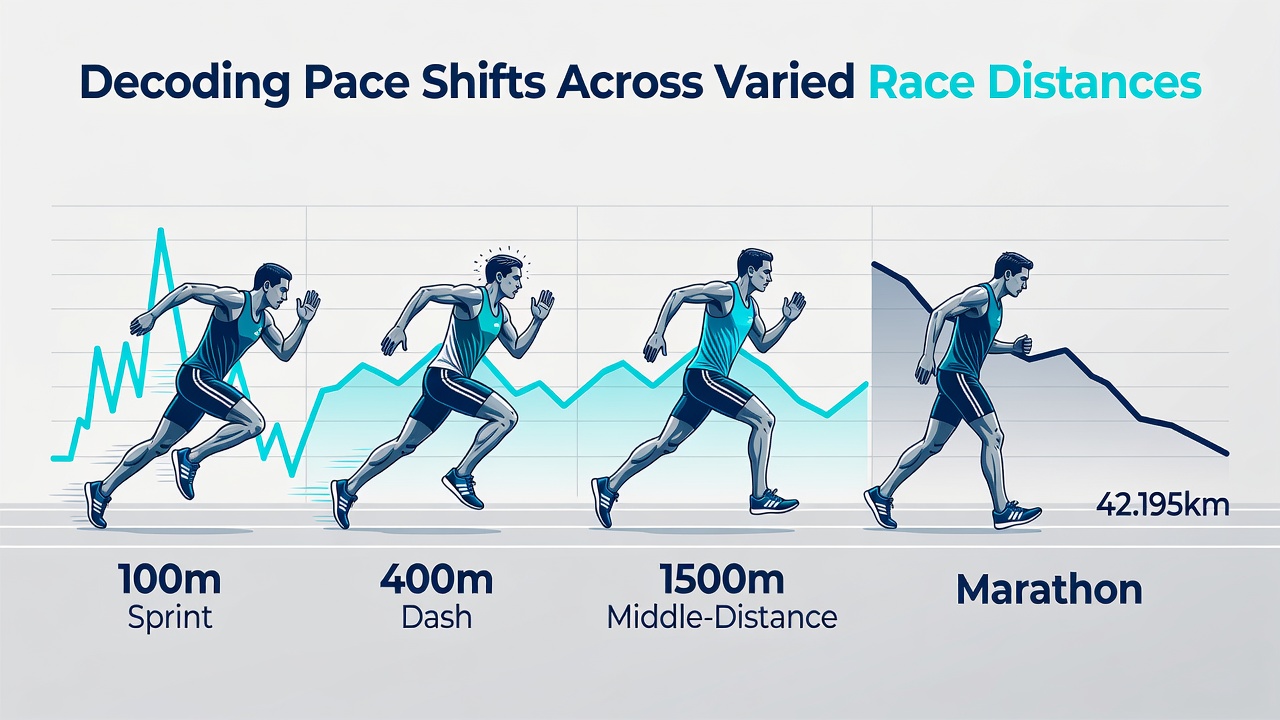
Observers note that pace shifts in horse racing depend heavily on the distance of each contest, and data from race recordings reveal how horses adjust their speed profiles from the start to the finish line. Short sprints demand an immediate burst that often peaks within the first 200 meters, whereas longer events allow for a more measured distribution of effort across multiple furlongs, and researchers tracking sectional times have documented these patterns consistently across seasons.
Patterns in Sprint Distances
Five-furlong and six-furlong races show the sharpest early acceleration, with average speeds reaching their highest point before the halfway mark, and studies of timing data confirm that horses which maintain that initial tempo through the final stages rarely sustain it without fatigue setting in quickly. Trainers prepare runners for these events by focusing on explosive workouts that build anaerobic capacity, while analysts examining past performances find that early leaders in sprints tend to hold advantages only when the field lacks strong closers.
September 2026 brought additional sectional data from major autumn festivals, and those records indicated that pace compression in sprints had increased by measurable margins compared with earlier years, largely because breeding programs have emphasized speed traits over the past decade.
Mid-Range Race Dynamics
Seven-furlong to one-mile contests introduce a transitional phase where horses settle into a rhythm after an initial surge, and evidence from race charts demonstrates how the middle portion of these distances often determines the final outcome because leaders must decide whether to press on or conserve energy for a late challenge. Those who have reviewed thousands of replays observe that pace shifts here appear more gradual, allowing jockeys greater flexibility in positioning before the turn for home.
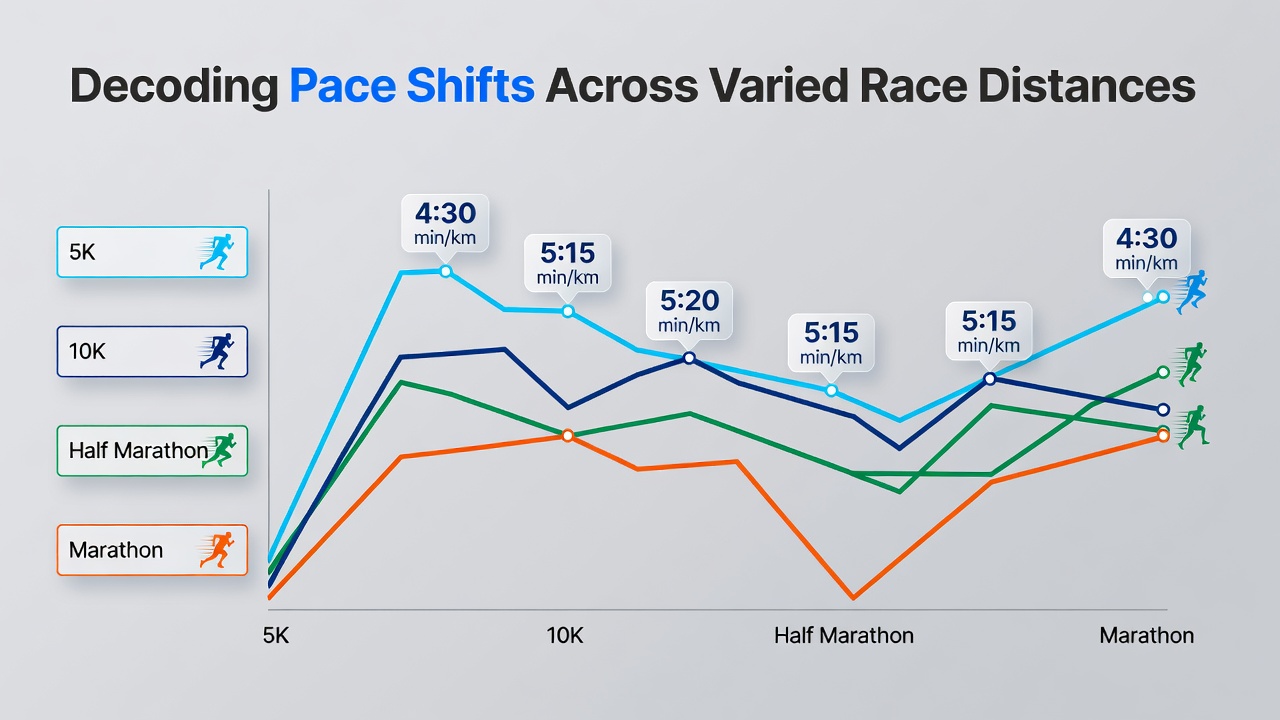
Industry reports from Racing Australia highlight how mid-distance events reward horses capable of quickening twice, once to take the lead and again in the straight, and figures collected over multiple meetings show that such dual accelerators win at higher rates when the surface remains consistent.
Staying Races and Sustained Effort
Events beyond one and a half miles require a different approach entirely, with early fractions kept deliberately slower to preserve stamina reserves until the final three or four furlongs, and long-term performance databases confirm that pace judgment becomes critical because any overexertion early on leads to pronounced deceleration later. Trainers condition stayers through extended gallops that simulate race conditions, and sectional studies reveal that successful runners in these distances often produce their fastest splits in the closing stages rather than at the beginning.
Research conducted by the Equine Science Center at Rutgers University examined physiological markers in endurance athletes and found that lactate thresholds influence how far a horse can push before pace drops occur, providing trainers with measurable benchmarks for preparation across various race lengths.
Influencing Factors Beyond Distance
Track conditions, wind direction, and the composition of the field all interact with distance to shape pace behavior, and analysts who compile sectional splits note that a strong headwind on a straight course can suppress early speeds more noticeably in sprints than in longer races where the effect spreads over greater ground. Ground softness further alters the equation because energy expenditure rises when footing gives way, prompting riders to adjust their tactics accordingly.
Breeding lines also play a documented role, with certain sire lines producing progeny that demonstrate clearer aptitude for one distance category over another, and pedigree databases allow connections to identify these tendencies before a horse even reaches the track.
Conclusion
Comprehensive review of sectional timing across sprint, middle, and staying distances shows that pace management remains a core element of race strategy, and ongoing collection of performance data continues to refine how participants interpret these shifts in real time. Patterns established through repeated observation provide the factual foundation for understanding why certain horses excel at specific trip lengths while others struggle when conditions change.