7 Nov 2026
Human Networks Fueling Instant Equine Performance Data Across Global Tracks
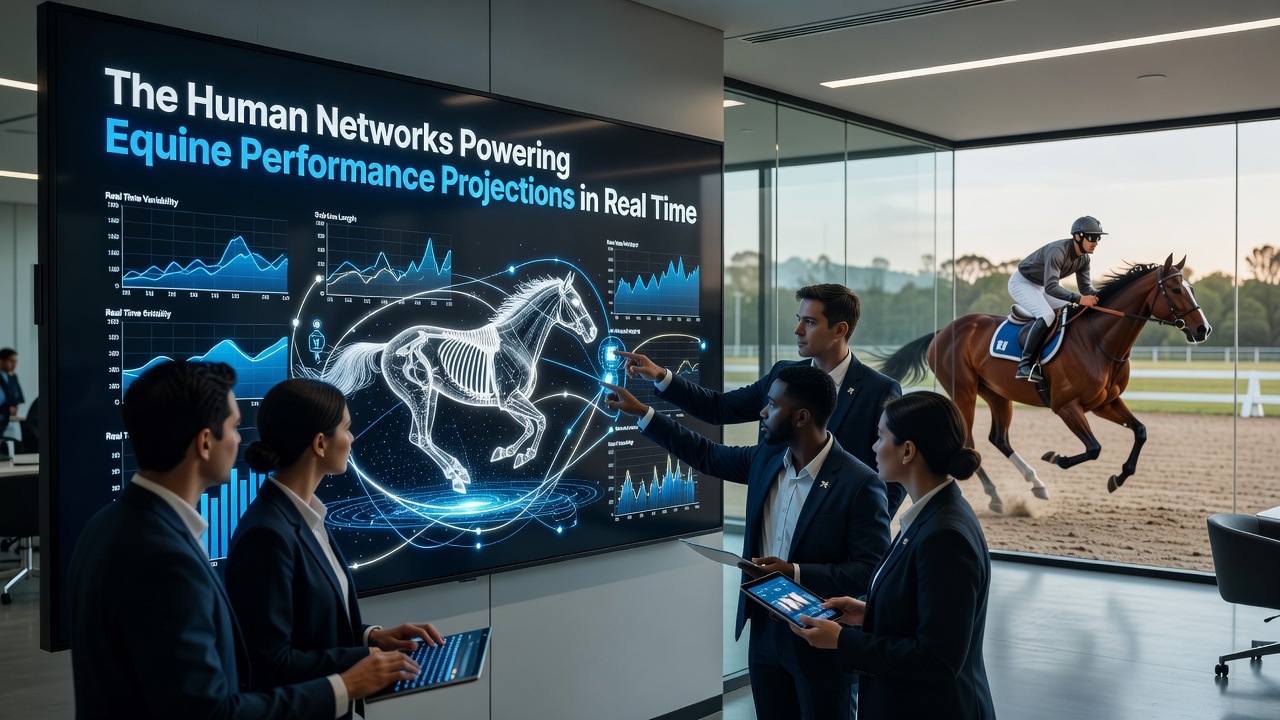 The systems delivering real-time equine performance projections rely on coordinated human networks that gather, verify, and transmit data from racetracks worldwide. These networks combine trackside personnel, regional coordinators, and centralized analysts who process information from multiple sources during live events. Observers positioned at key points along the course record details such as stride patterns, recovery rates after turns, and responses to track conditions, while others cross-check those notes against timing equipment and video feeds before passing updates onward. Data collection begins hours before races commence, as teams compile historical records and recent workout results from training facilities. Contributors in different time zones feed preliminary assessments into shared platforms, which allows projections to incorporate variables like weather shifts or surface changes reported on the day. In practice, a single event might draw input from local stewards, veterinary observers, and performance monitors who specialize in gait analysis, each contributing specific data points that feed into broader models.
Regional Coordination and Data Flow
Coordination across regions ensures that projections reflect localized knowledge. Teams in Australia, for example, often supply detailed notes on turf conditions at tracks like Flemington, while counterparts in North America focus on dirt surfaces and their impact on speed figures. These groups operate under standardized reporting formats developed by industry bodies, which reduces discrepancies when data moves between locations. According to information from the International Federation of Horseracing Authorities, such protocols help maintain consistency in how performance metrics are categorized and shared across member organizations.
Real-time updates accelerate once races start. Monitors relay observations via secure channels to analysts who adjust projections based on live developments, including pace adjustments or unexpected fatigue signals. This process draws on contributions from multiple roles, so a projection for a particular horse might integrate input from the starting gate crew, mid-race spotters, and post-race evaluators within minutes of the event concluding.
Technology Integration with Human Oversight
Software platforms aggregate these inputs but depend on human verification to filter anomalies or contextual details that automated systems might miss. Analysts review flagged entries for accuracy, comparing them against established benchmarks from previous seasons. Research from university equine programs, including studies at the University of Melbourne, has examined how such hybrid approaches improve projection reliability by accounting for factors like rider influence or equipment variations that pure algorithms overlook.
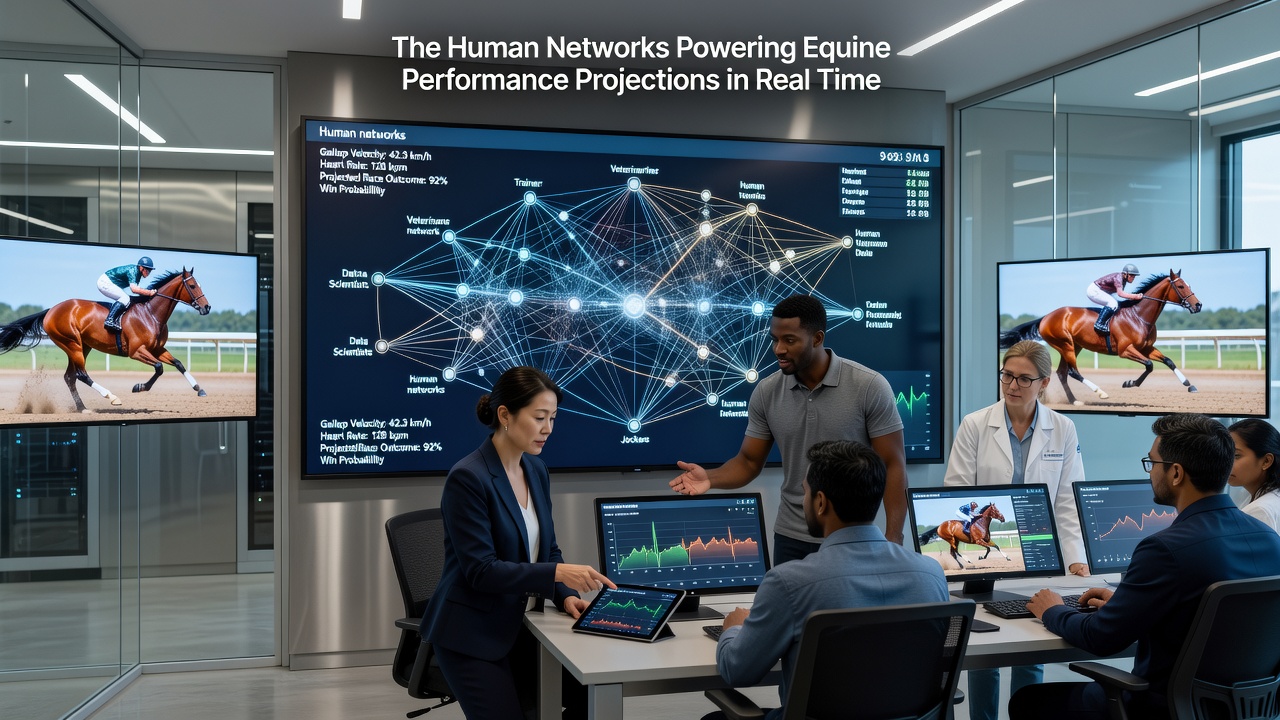
November 2026 marks an upcoming period when several racing jurisdictions plan to test enhanced reporting standards that emphasize faster data handoffs between human teams. These trials build on existing frameworks and aim to shorten the interval between observation and projection updates, particularly for international simulcast events. Participants in these initiatives include representatives from regulatory bodies in Canada and the European Union, who contribute feedback on how regional practices align with global timelines.
Training and Specialization Within Networks
Individuals within these networks undergo specialized training to recognize subtle performance indicators. Programs organized by racing associations cover topics ranging from biomechanical assessment to environmental impact evaluation, which equips contributors to supply precise, usable data. One documented case involved a network operating at a major European venue where coordinated reports from multiple observers helped refine projections during a series of graded stakes races, demonstrating how distributed expertise supports timely adjustments.
Communication protocols further strengthen these efforts. Regular briefings allow teams to discuss emerging patterns, such as changes in how certain bloodlines respond to specific track configurations, before incorporating those insights into ongoing models. This exchange happens through scheduled calls and shared documentation rather than isolated reports, creating a continuous loop of information refinement.
Conclusion
Human networks remain central to equine performance projections because they supply contextual judgment and rapid adaptation that complement technological tools. The combination of regional specialists, standardized reporting, and iterative verification produces data streams that support projections across varied racing calendars. As jurisdictions prepare for updates in late 2026, these networks continue to evolve through structured collaboration and shared standards from organizations such as the Jockey Club and academic research centers.