26 Sep 2026
The Dynamics Between Contributor Networks and Regulatory Timelines in Race Data Briefings
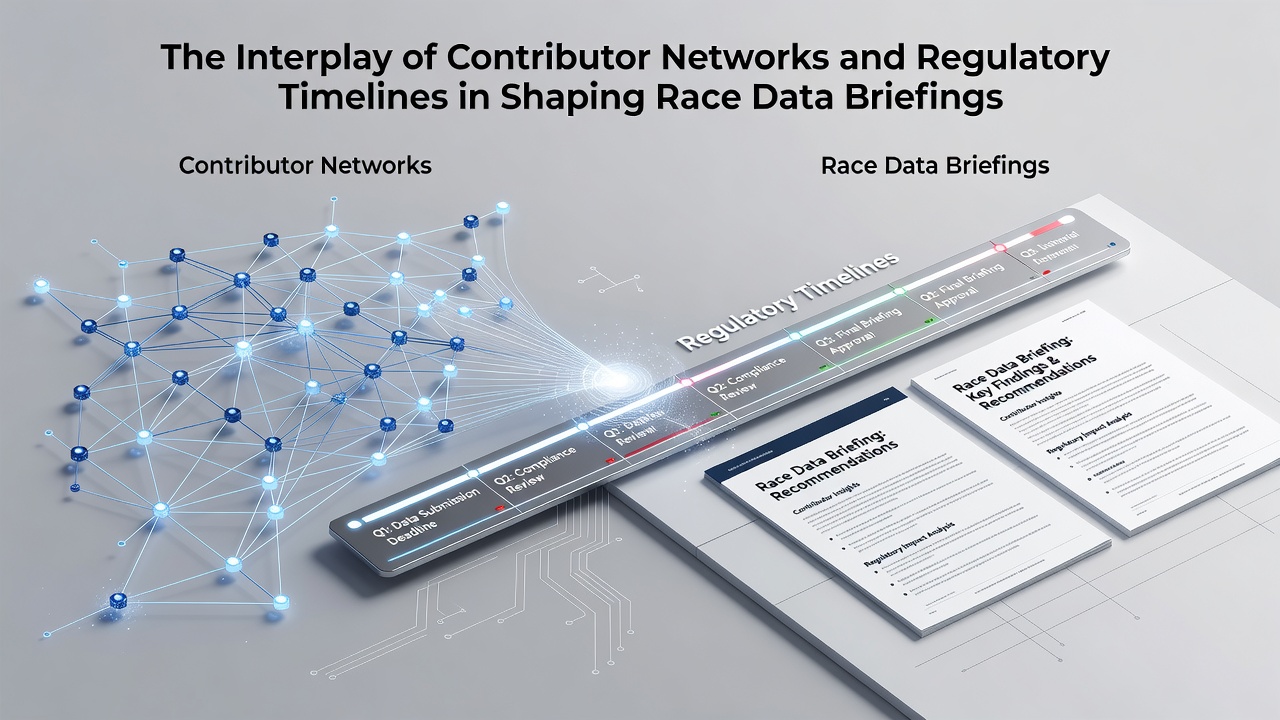
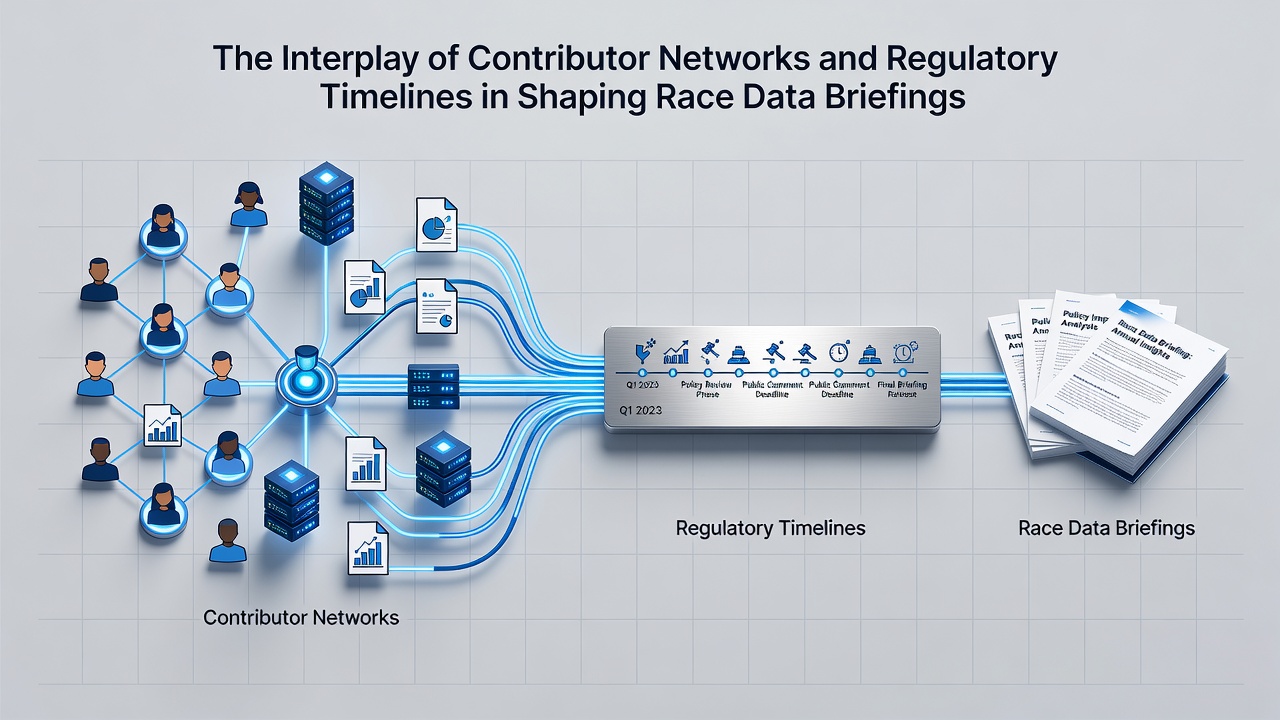
Contributor networks operate as interconnected systems where trainers, analysts, track officials, and data aggregators supply raw inputs that shape race data briefings, while regulatory timelines dictate the windows during which this information must reach bettors and stakeholders in usable formats. These networks pull from multiple regions and feed into centralized platforms that standardize entries, form statistics, and performance metrics ahead of scheduled releases. Regulatory bodies across jurisdictions set fixed deadlines that force contributors to align their collection and verification processes with those dates, creating a structured flow rather than ad hoc updates.
Research from the University of Melbourne's equine studies program shows that contributor clusters in Australia coordinate through shared databases to meet quarterly briefing cycles, with each node verifying details like horse weights and jockey changes before submission. In parallel, the Association of Racing Commissioners International in the United States establishes annual reporting schedules that require member tracks to submit consolidated datasets by specific calendar points, ensuring briefings reflect the most current verified entries without gaps.
Network Structures and Data Flow Patterns
Networks typically organize around regional hubs that collect localized observations before routing them through validation layers to a central repository, and this architecture allows simultaneous input from distant locations while maintaining consistency across briefings. Contributors often include licensed handicappers who record sectional times, veterinary staff who note health declarations, and statistical services that aggregate historical trends, all operating under the constraint that late submissions miss the regulatory cutoff and therefore exclude their data from the published briefing. The result is a compressed preparation period where accuracy checks intensify as deadlines approach, with digital tools accelerating the transfer of information between participants.
Regulatory Timelines and Their Influence
Timelines established by oversight organizations determine when preliminary briefings appear relative to race day, and these schedules vary by jurisdiction yet share the common requirement that data must stabilize well in advance of betting markets opening. For instance, Canadian provincial regulators coordinate with national bodies to release updated form guides at least 72 hours before events, compelling contributor networks to finalize entries earlier than they might otherwise prefer. European frameworks similarly impose staggered deadlines that account for cross-border travel declarations, forcing networks to synchronize their feeds across time zones so that briefings contain complete international runner information by the mandated point.
Observers note that September 2026 marks a scheduled review point for several international racing calendars, during which updated timeline protocols will take effect and require networks to incorporate new verification steps for performance data. This adjustment stems from prior consultations among industry groups, and it extends the lead time between data collection and briefing publication in selected jurisdictions to accommodate enhanced integrity checks. Networks have already begun mapping their internal workflows to these forthcoming requirements, adjusting collection frequencies and cross-checking routines accordingly.
Case Examples of Alignment
One documented instance involved a multi-state Australian network that adjusted its daily reporting cadence to satisfy a revised timeline issued by Racing Australia, resulting in briefings that included real-time weather impact assessments submitted within the new window. Another example from North American circuits shows how a coalition of tracks integrated automated alerts to contributors when regulatory cutoffs neared, reducing the incidence of incomplete entries reaching the final briefing stage. These adjustments demonstrate how the interplay operates in practice, with networks responding to timeline pressures by refining their coordination methods rather than altering the underlying data sources.
Integration Mechanisms
Modern platforms facilitate this interplay through standardized APIs that allow contributors to upload validated segments directly into briefing templates, and these systems flag any entries that fall outside the regulatory window for immediate resolution. Industry reports indicate that such tools have shortened the average preparation interval while preserving the completeness demanded by oversight rules. Contributors therefore focus their efforts on pre-deadline verification rather than post-submission corrections, since the timelines leave limited room for revisions once the briefing enters its final distribution phase.
Conclusion
The relationship between contributor networks and regulatory timelines continues to define the reliability and timing of race data briefings across global racing jurisdictions, with each element shaping the operational pace of the other. Networks adapt their collection and verification practices to meet established deadlines, while regulators periodically refine those deadlines based on observed network capabilities and integrity needs. This ongoing calibration ensures briefings remain current and comprehensive within the constraints of fixed schedules, supporting consistent information delivery to end users.