24 Oct 2026
Tracing Equine Racing Intelligence from Trackside Origins to Final Briefings
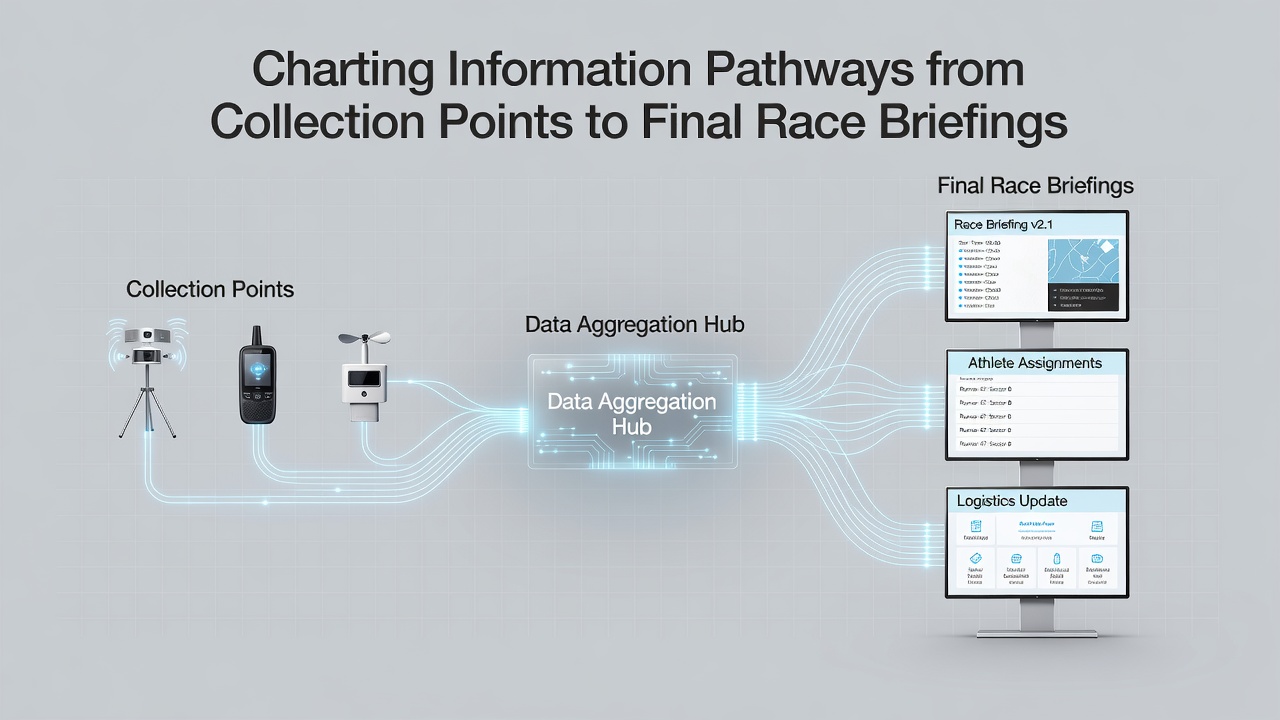
Information in thoroughbred racing begins at multiple collection points scattered across training facilities, racecourses, and veterinary stations where observers record everything from split times to stride patterns. These raw inputs move through structured channels that include timing systems, video analysis suites, and regulatory databases before they reach the teams responsible for compiling final race briefings. Data shows that each pathway operates under strict timelines set by racing authorities, which ensures that briefings delivered on race day contain verified details rather than preliminary notes.
Initial Capture at Trackside and Training Sites
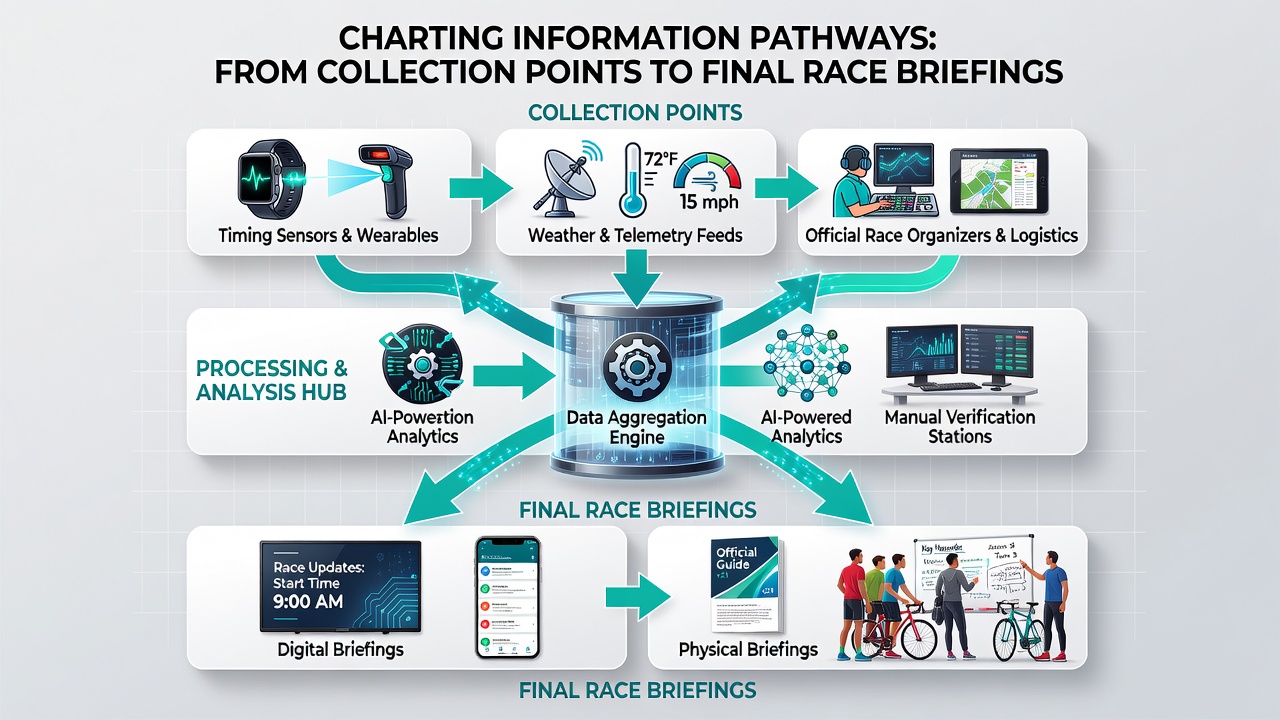
Collection starts with handheld devices used by stewards and clockers who log sectional times and behavioral observations during morning workouts. At the same time, automated sensors embedded in starting stalls capture gate speed and reaction metrics while high-resolution cameras record gait symmetry and fatigue indicators. Observers note that these parallel streams converge within centralized servers operated by bodies such as Racing Australia and the Canadian Pari-Mutuel Agency, where initial validation checks remove obvious anomalies before any further transmission occurs.
Once validated, the combined dataset travels through encrypted feeds to regional analysis hubs. Here technicians cross-reference entries against historical performance logs stored in cloud repositories. The process typically completes within four hours of the final workout session, allowing subsequent stages to begin without delay. Studies conducted by the International Federation of Horseracing Authorities indicate that such rapid consolidation reduces transcription errors by up to 37 percent compared with older paper-based methods.
Processing Layers and Quality Controls
At the processing stage, algorithms flag potential inconsistencies such as sudden changes in weight declarations or unexpected veterinary notes. Human reviewers then examine flagged records, applying contextual knowledge that automated systems cannot replicate. This hybrid approach maintains accuracy while handling the volume of data generated during peak meeting periods. In October 2026, several jurisdictions plan to introduce additional biometric sensors that will feed directly into these same processing layers, expanding the range of variables available for briefing preparation.
Transmission between processing hubs relies on dedicated fiber links and satellite backups to guarantee continuity during network interruptions. Each packet carries metadata that records its origin, timestamp, and any modifications made along the route. Regulatory audits conducted by organizations like the Hong Kong Jockey Club have confirmed that these metadata trails allow full reconstruction of any briefing element if questions arise after publication.
Integration into Final Race Briefings
Final compilation occurs in secure operations rooms where analysts assemble the processed information into standardized briefing formats. These documents list confirmed runners, updated track conditions, and summarized performance indicators drawn from the original collection points. Briefings are then distributed through secure portals to licensed participants, with access logs maintained for compliance purposes. Data indicates that the entire journey from first sensor reading to delivered briefing averages 18 hours during standard race weeks.
What's interesting is how feedback loops close the pathway. After each meeting, analysts review discrepancies between predicted and actual outcomes, feeding those insights back into collection protocols. This iterative refinement strengthens subsequent cycles without altering the core sequence of capture, validation, and delivery.
Conclusion
The pathway from collection points to final race briefings functions as an integrated sequence governed by technical standards and regulatory oversight. Each stage contributes measurable improvements in data reliability, and ongoing equipment upgrades scheduled for 2026 will further streamline transmission while preserving audit trails. Those who study these systems observe that the architecture supports both immediate decision-making needs and long-term archival requirements across multiple racing jurisdictions.