21 Nov 2026
Verification Protocols Enhancing Reliability in Equine Racing Data Systems
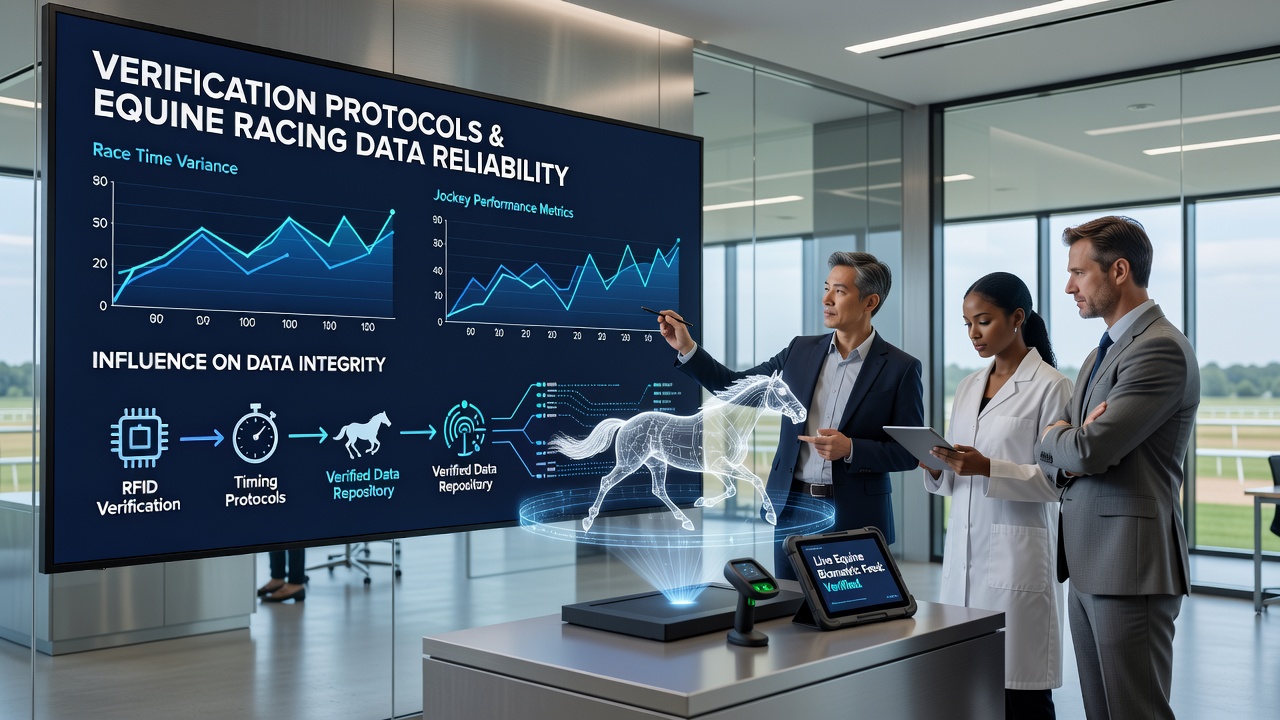
Verification protocols form the backbone of data collection across global equine racing circuits, and they directly shape how timing results, performance metrics, and regulatory records hold up under scrutiny. These systems combine electronic identification, video analysis, and laboratory checks to create datasets that racing authorities rely on for official outcomes and historical archives. Observers note that without consistent verification steps, discrepancies in finish times or horse identities could undermine entire race meetings, yet structured protocols reduce such risks through layered confirmation processes.
Core Components of Racing Data Verification
Electronic transponders embedded in saddlecloths or implanted microchips serve as the initial capture point for horse identification at every licensed venue. These devices transmit unique codes to timing systems that record split times and final results with millisecond precision, and cross-checks against veterinary records ensure the correct animal participates in each event. Stewards review video feeds from multiple camera angles to validate positional data when electronic signals encounter interference from track conditions or equipment faults, while independent auditors sample portions of each meeting's output to confirm compliance with international standards.
Drug testing laboratories add another layer by analyzing post-race samples against thresholds set by regional commissions. Data from these tests feeds into centralized databases that track trends over multiple seasons, and researchers discovered correlations between verified results and improved accuracy in long-term performance statistics. In November 2026, updates to harmonized testing guidelines across several jurisdictions are scheduled to standardize reporting formats, which should further align datasets from North American and European tracks.
Impact on Dataset Integrity Across Regions
Studies from regulatory bodies show that tracks implementing multi-stage verification experience fewer overturned results after steward inquiries. For instance, Australian racing authorities report that integrated chip and video systems cut identity errors by measurable margins compared with manual logging methods used in earlier decades. Similarly, North American organizations maintain audit trails that link each race's raw timing data to final published figures, allowing analysts to trace any anomalies back to specific verification checkpoints.
What's interesting is how these protocols interact with weather and surface variables. Sensors monitor track conditions in real time, and verification teams flag any readings that fall outside established parameters for that venue. This approach preserves the reliability of speed figures that handicappers and breeding programs depend upon, since unverified environmental data can skew comparisons between races run on different days.
Challenges and Technological Adjustments
Even robust protocols face occasional gaps when network connectivity drops or when multiple horses crowd at the finish line. Teams address these situations by applying backup manual timing synchronized to the primary electronic system, and they document every override in public reports that maintain transparency. Data shows that such documented interventions actually strengthen overall trust because users can review the exact steps taken to resolve conflicts.
International organizations coordinate these standards through regular exchanges of best practices. One study revealed that regions adopting shared verification software experienced faster resolution of cross-border data queries, particularly when horses travel between countries for major events. Those who've studied this know the process involves aligning timestamp formats and sample handling procedures so that final records remain consistent regardless of origin track.
Future Developments in Protocol Design
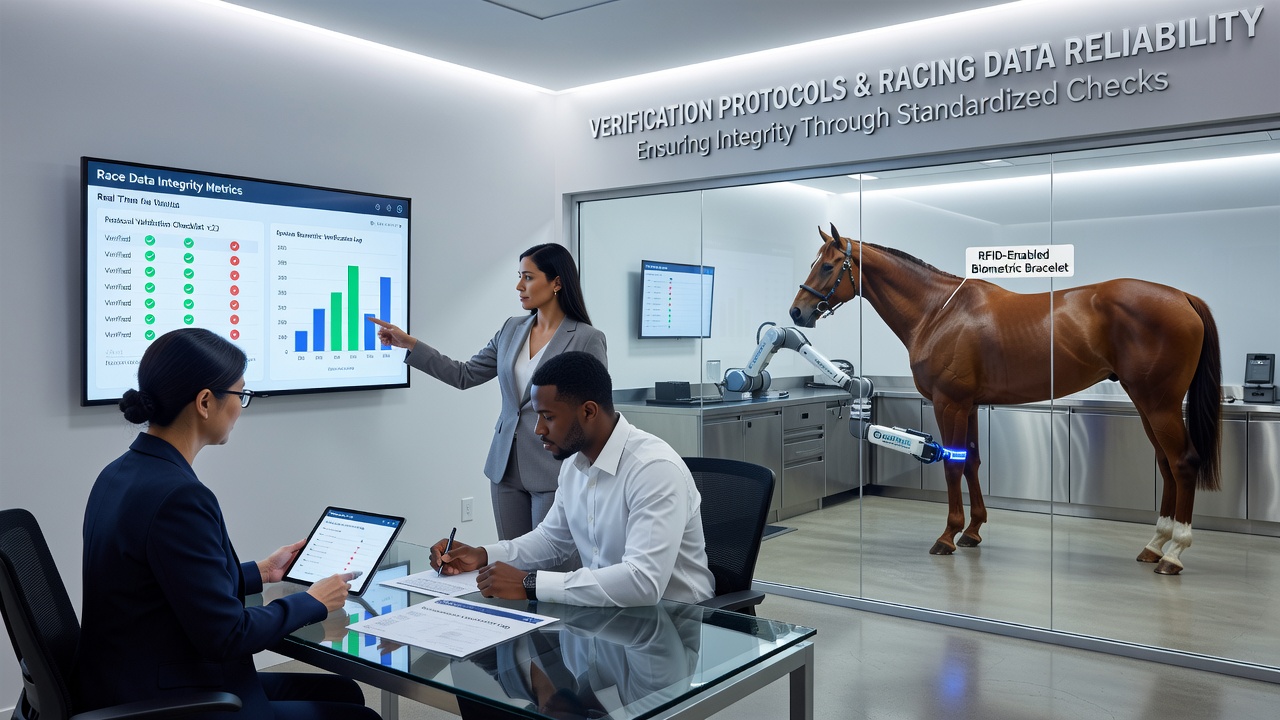
Emerging sensor technologies promise to capture additional biometric readings during races, yet each new data stream requires its own verification pathway before integration into official records. Regulatory timelines in 2026 are expected to include pilot programs testing wearable monitors on a limited number of runners, with results compared against existing camera and chip baselines. This measured rollout allows authorities to quantify any accuracy gains before wider deployment.
Academic papers from veterinary faculties highlight the value of longitudinal datasets built under verified conditions. These resources support research into injury patterns and training efficacy, and they rely on unbroken chains of custody from trackside collection through laboratory analysis to archive storage. Without such chains, longitudinal studies lose statistical power because researchers cannot confirm that every entry meets the same quality thresholds.
Conclusion
Verification protocols continue to evolve alongside advances in sensor technology and data management, and their influence on equine racing data reliability remains measurable through reduced error rates and improved audit outcomes. Authorities across multiple continents maintain these systems to support both daily race operations and broader research applications. As November 2026 approaches, scheduled alignments in testing and reporting standards are positioned to reinforce the consistency already achieved through current verification layers.